Precision paint enhancement & correction

See the paint.
Not the defects.

Paint correction does not cover damage with temporary gloss. It carefully refines the clear coat itself, restoring depth, sharpening reflection, and reducing the defects that distract from the finish.

Why paint loses its depth

Clarity returns when light can travel cleanly.

Swirls, haze, and fine scratches scatter light before it can reflect cleanly. Precision polishing levels the surrounding clear coat by a microscopic amount, creating a more uniform surface and revealing deeper color, sharper reflections, and more honest gloss.

The standard is not perfection at any cost. It is the strongest visible improvement the paint can safely sustain.
Documented transformation

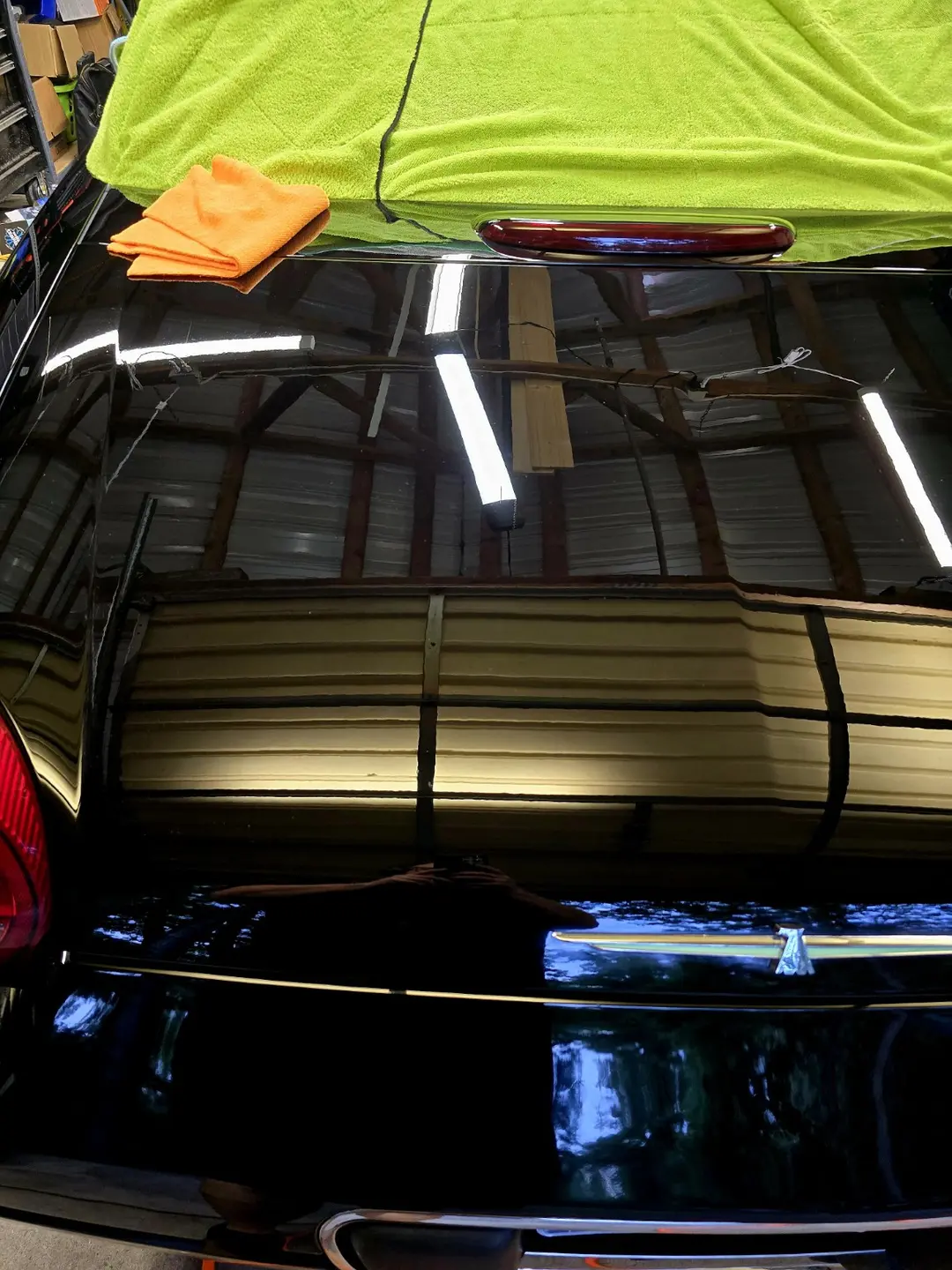
Thirty hours. Four stages. One black Thunderbird.

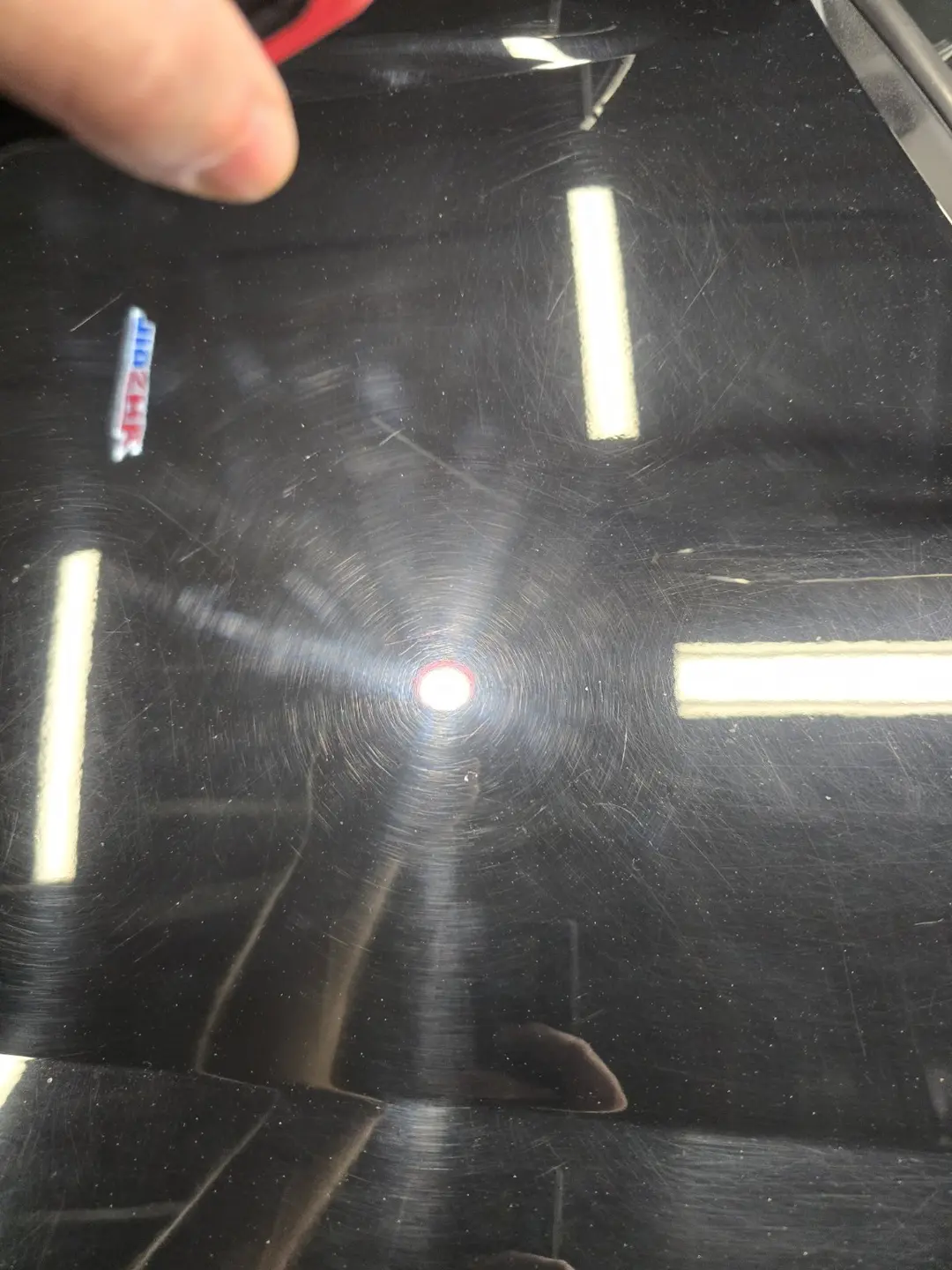
This 2002 Ford Thunderbird arrived with dense circular marring, haze, and scattered deeper defects. A full RUPES correction sequence restored the depth and reflection that black paint had been hiding.

See the process and every image
Heavy wash marring on a black Thunderbird before paint correction
Before
Clear, deep reflection on the black Thunderbird after paint correction
After

Choose your level of refinement

Clarity and gloss

Paint Enhancement

A refined machine-polishing stage that brightens color, sharpens reflections, and reduces light haze and minor wash marring.

Ideal application

Built into ShineLab’s longer-term coating packages and available whenever the finish needs refinement rather than full correction.

Greater correction, measured

Targeted Correction

Additional testing, polishing time, and correction ability produce a more meaningful reduction in visible swirls and defects than a standard enhancement.

Ideal application

Ideal for daily drivers where a dramatic visible improvement matters more than chasing every isolated imperfection.

Maximum responsible refinement

Multi-Step Correction

Dedicated cutting and finishing stages deliver a higher level of correction where the paint system, clear-coat condition, and remaining film build safely allow it.

Ideal application

Designed for severe defects, demanding paint systems, or owners pursuing an exceptional finish after inspection and test polishing.

Same hood. Same light. Three outcomes.

What does another polishing stage actually buy?

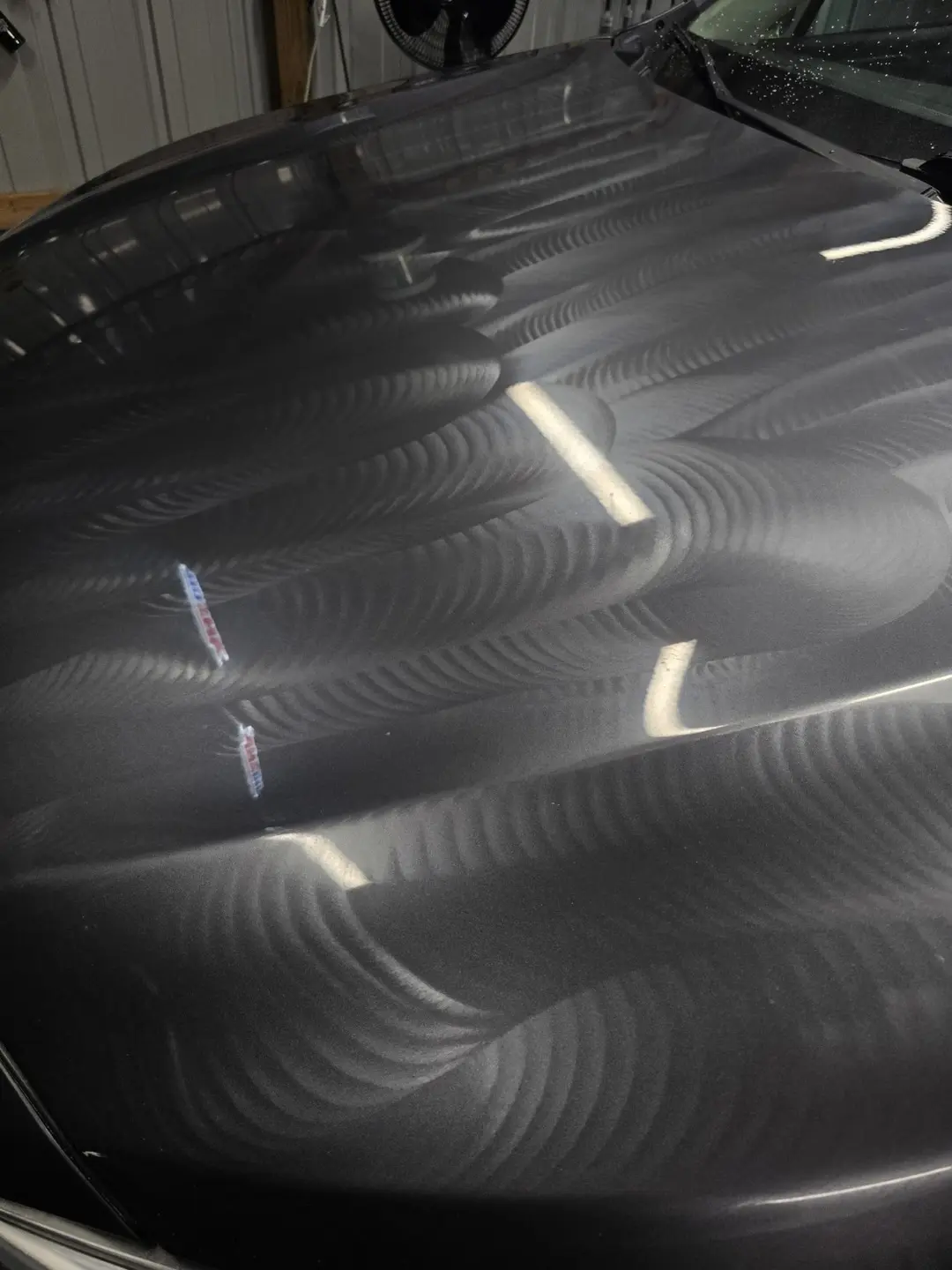
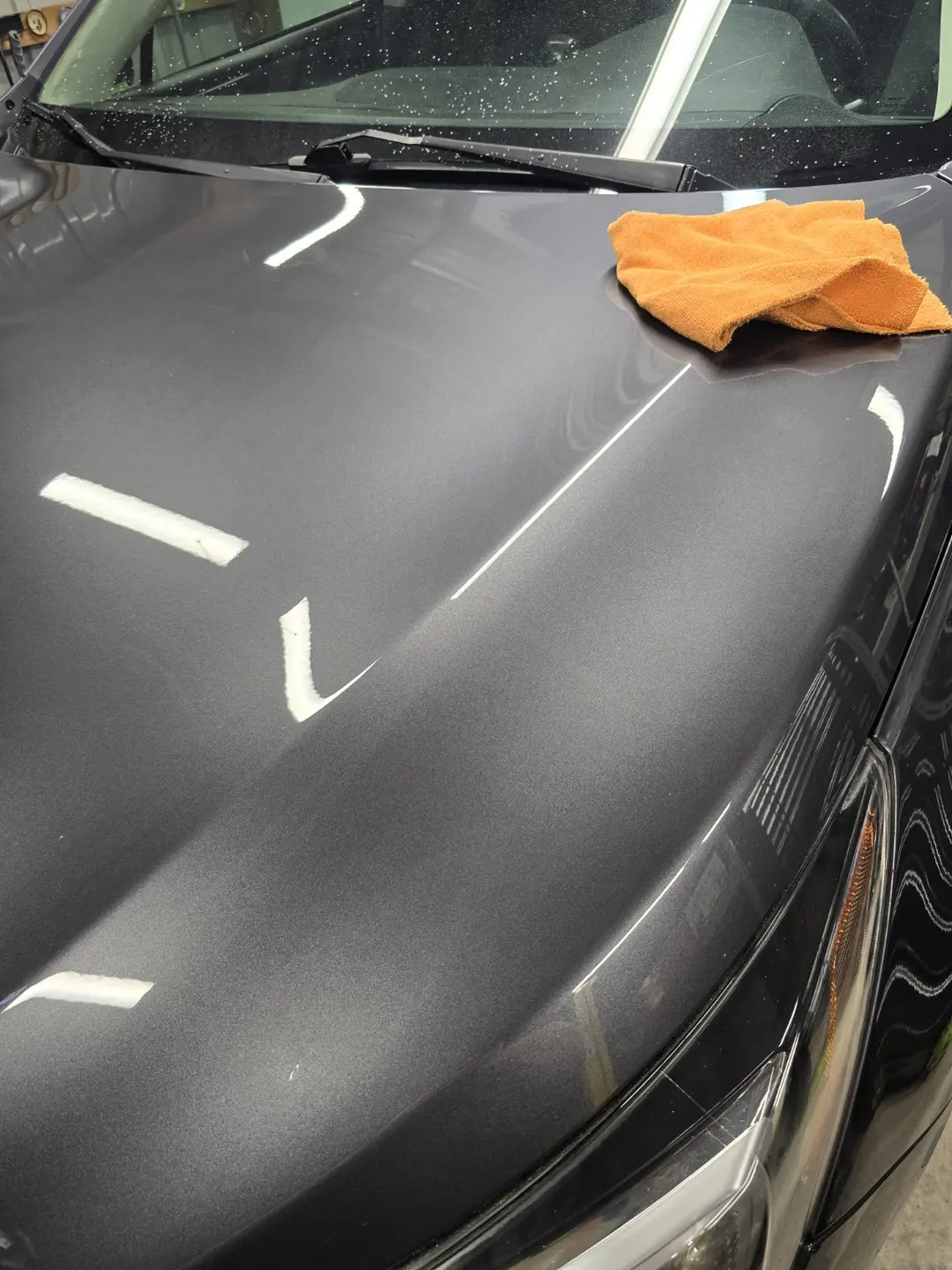
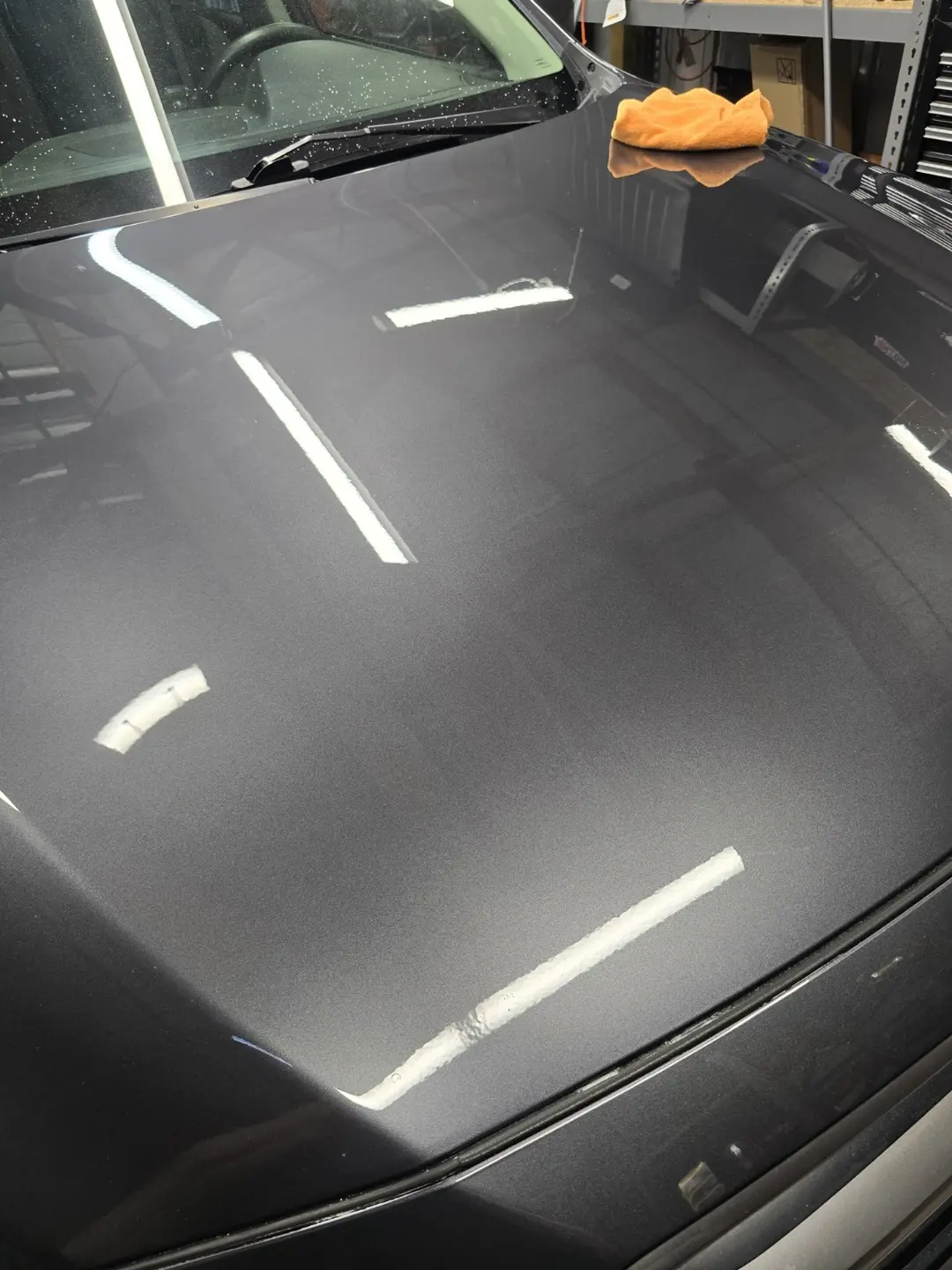
This 2019 Subaru Outback was divided into adjacent test areas so the differences could be evaluated on the same paint system under the same inspection light. The clip pans across uncorrected paint, a one-step correction, and a two-step correction.

2019 Subaru Outback · hood test

Follow the inspection light rather than the surrounding reflections. Cleaner paint produces a tighter, less fractured light source with fewer visible defects around it.

The baseline

Uncorrected

The concentrated light breaks apart across wash marks, fine scratches, and haze. Adding protection alone may improve gloss, but it does not remove these defects.

Balanced improvement

One-step correction

One polishing cycle must balance cutting ability with the quality of the finish it leaves behind. It can deliver a meaningful improvement without the time or clear-coat removal of a more aggressive process.

Greater refinement

Two-step correction

A dedicated cutting stage can pursue more established defects; a separate polishing stage then refines the surface, clears residual haze, and sharpens the reflected light.

This demonstration documents one vehicle—not a universal correction percentage. Paint hardness, defect depth, prior repairs, remaining clear coat, and the finish target all affect what each stage can safely deliver.

2019 Subaru Outback hood documented during paint correction
Correction underway
Reflection clarity developing on the Subaru Outback hood during polishing
Refinement in progress
Polished 2019 Subaru Outback hood under ShineLab shop lighting
Polished hood under shop lighting

The foundation of a better coating

A better coating begins with better paint underneath.

Think of a paint enhancement as controlled exfoliation for the clear coat. It removes a microscopic amount of weathered material, residual contamination, light oxidation, and surface irregularity—leaving a cleaner, glossier, more uniform finish for ceramic installation.

That step is not automatically required for every shorter-term coating when the existing finish is already acceptable. For longer-term coating packages, ShineLab includes the enhancement in the price because a coating designed to last deserves a finish worth preserving.

What polishing can change

Defects that live within the clear coat.

  • Wash swirls, towel marks, and fine surface marring
  • Haze, oxidation, and muted reflections
  • Light-to-moderate scratches within the clear coat
  • Certain water-spot etching and environmental defects
  • Polishing trails, holograms, and previous poor finishing

When repair is the right answer

Damage that polishing should not chase.

  • Scratches that have penetrated beyond the clear coat
  • Rock chips, missing paint, or exposed material beneath it
  • Peeling, delaminating, or otherwise failing clear coat
  • Dents, cracks, corrosion, and structural body damage
  • Any defect that would require unsafe clear-coat removal

More correction. Long-term protection.

Paint Correction + GYEON Flash EVO

Every long-term Flash installation already includes a gloss-focused enhancement. This package deliberately goes further—with additional testing, polishing cycles, and targeted correction for substantially greater swirl and defect reduction before the coating locks in the result.

Correction + coatingfrom $999Request an assessment

Disciplined by design

Diagnose before you polish.

Paint type, repair history, clear-coat condition, temperature, pad selection, polish behavior, and the intended protection all influence the plan. A controlled test area proves the process before it reaches the rest of the vehicle.

Assess

Identify defects, previous repairs, edges, sensitive areas, and the priorities that matter most.

Test

Prove the least aggressive combination capable of delivering the desired improvement.

Correct

Refine panel by panel with controlled technique, clean tools, and repeated inspection.

Finish

Perfect the clarity, remove polishing residue, and prepare the surface for its chosen protection.

Before correction

Honest limits produce better work.

Will every scratch come out?

No—and a responsible professional should never promise that. A scratch must remain within safely removable clear coat. Deeper defects are often softened visually rather than pursued beyond a sensible limit.

Does correction permanently remove defects?

Correctable defects are removed by leveling a microscopic amount of surrounding clear coat, not disguised with temporary fillers. Improper washing or physical contact can still create new defects afterward.

Can a new vehicle benefit from polishing?

Absolutely. New vehicles can arrive with transport residue, dealership wash marks, sanding traces, or poor finishing from prior handling. The odometer does not determine paint condition; inspection does.

What is the difference between one-step and two-step correction?

A one-step correction uses one machine-polishing cycle to balance defect reduction with a clean finish. A two-step correction separates the work: a dedicated cutting stage can pursue heavier defects, followed by a refining polish that removes cutting haze and sharpens clarity.

Muskegon & surrounding West Michigan

Let the paint tell us what it can support.

Sunlight photos are a useful start. Final correction pricing and expectations are established after the finish can be inspected directly.